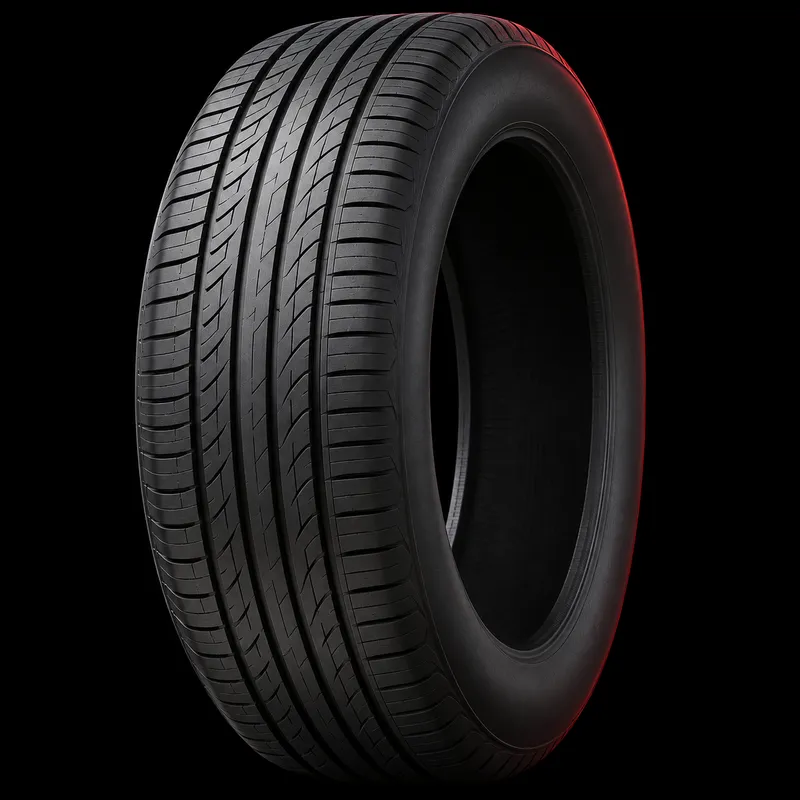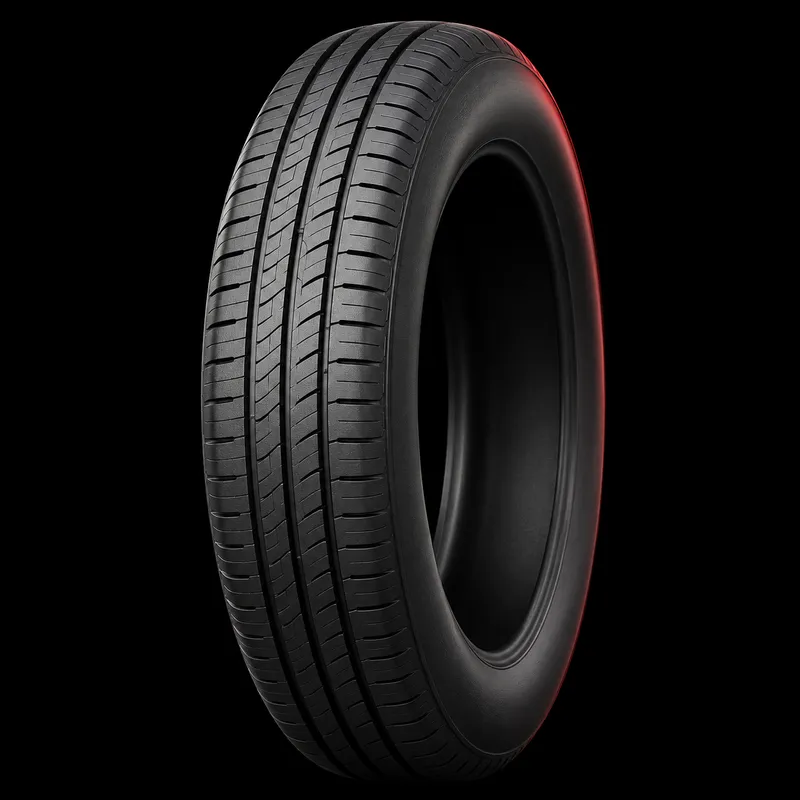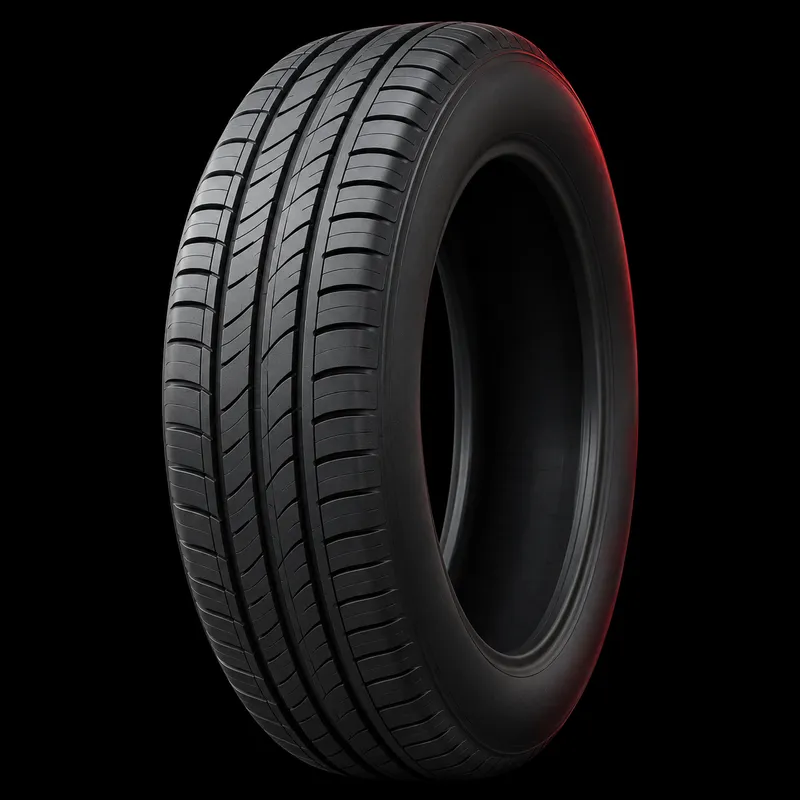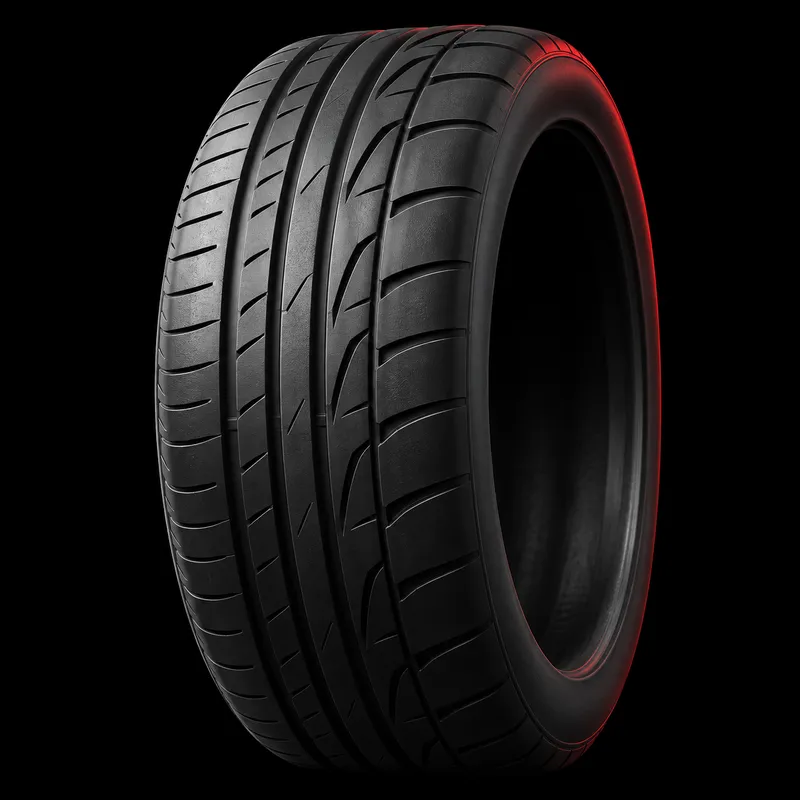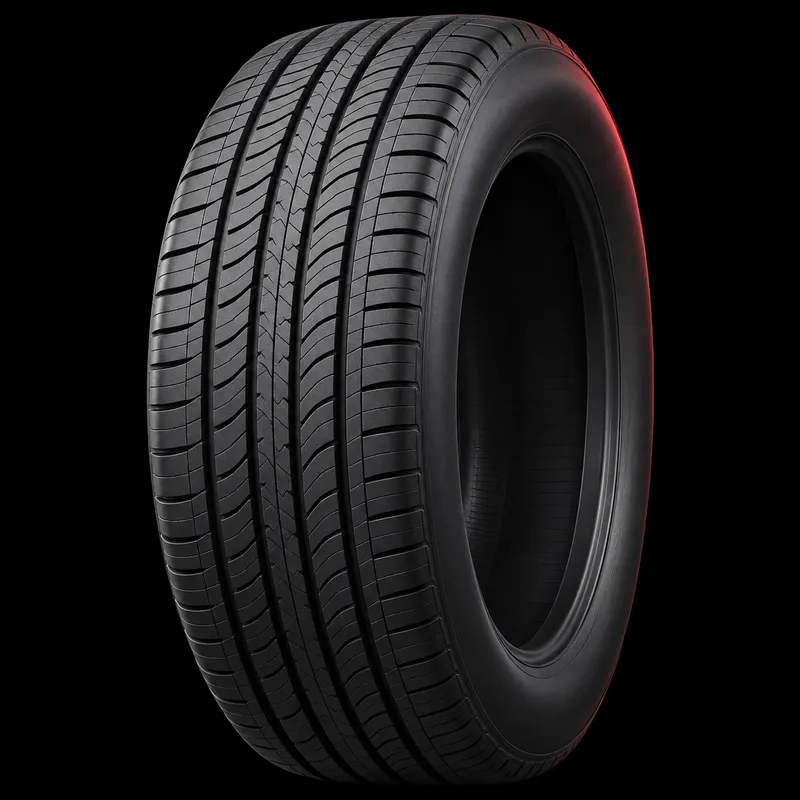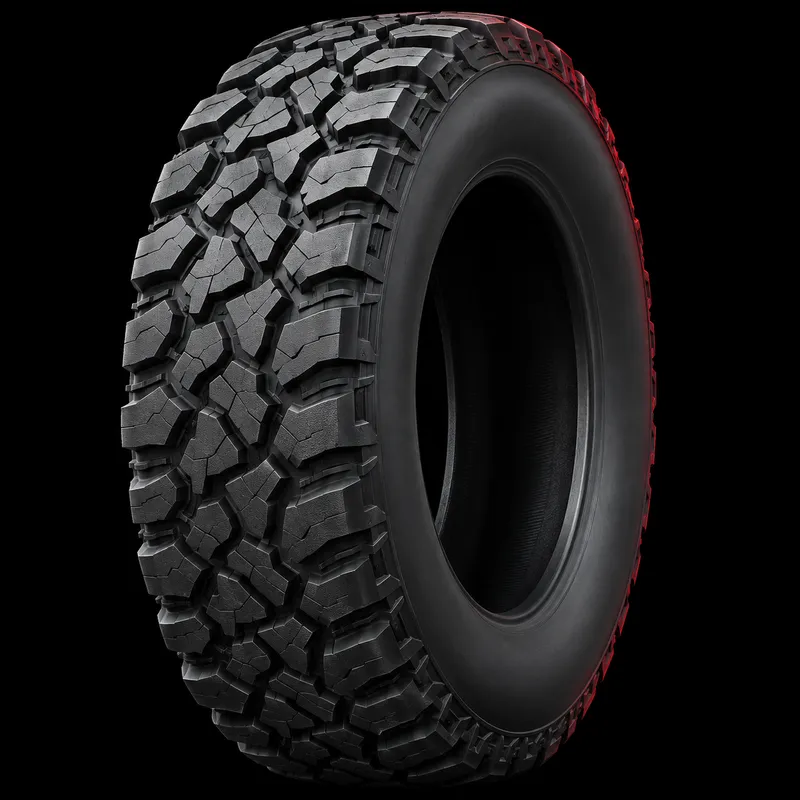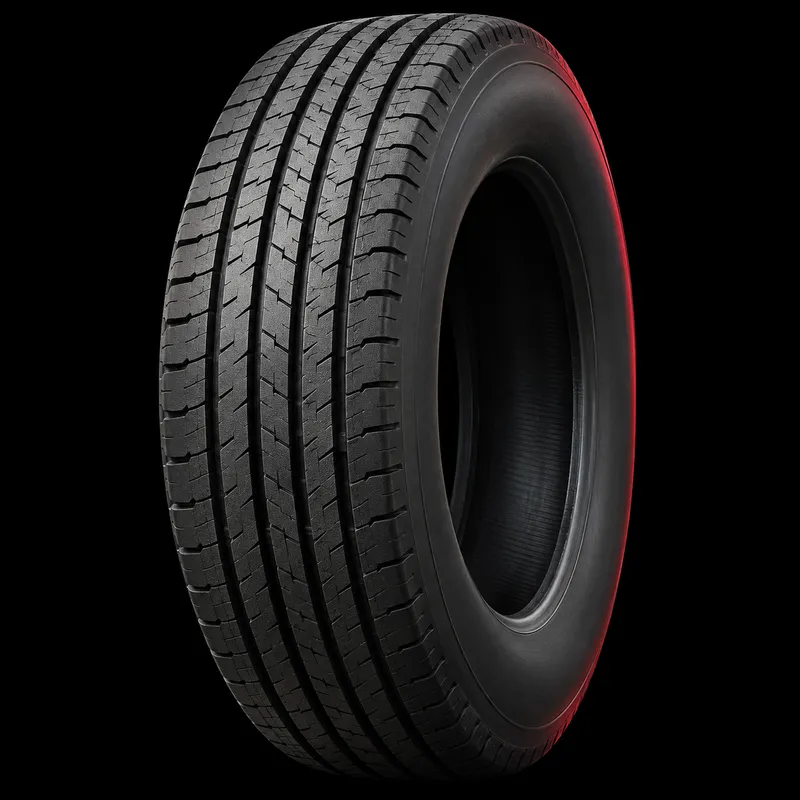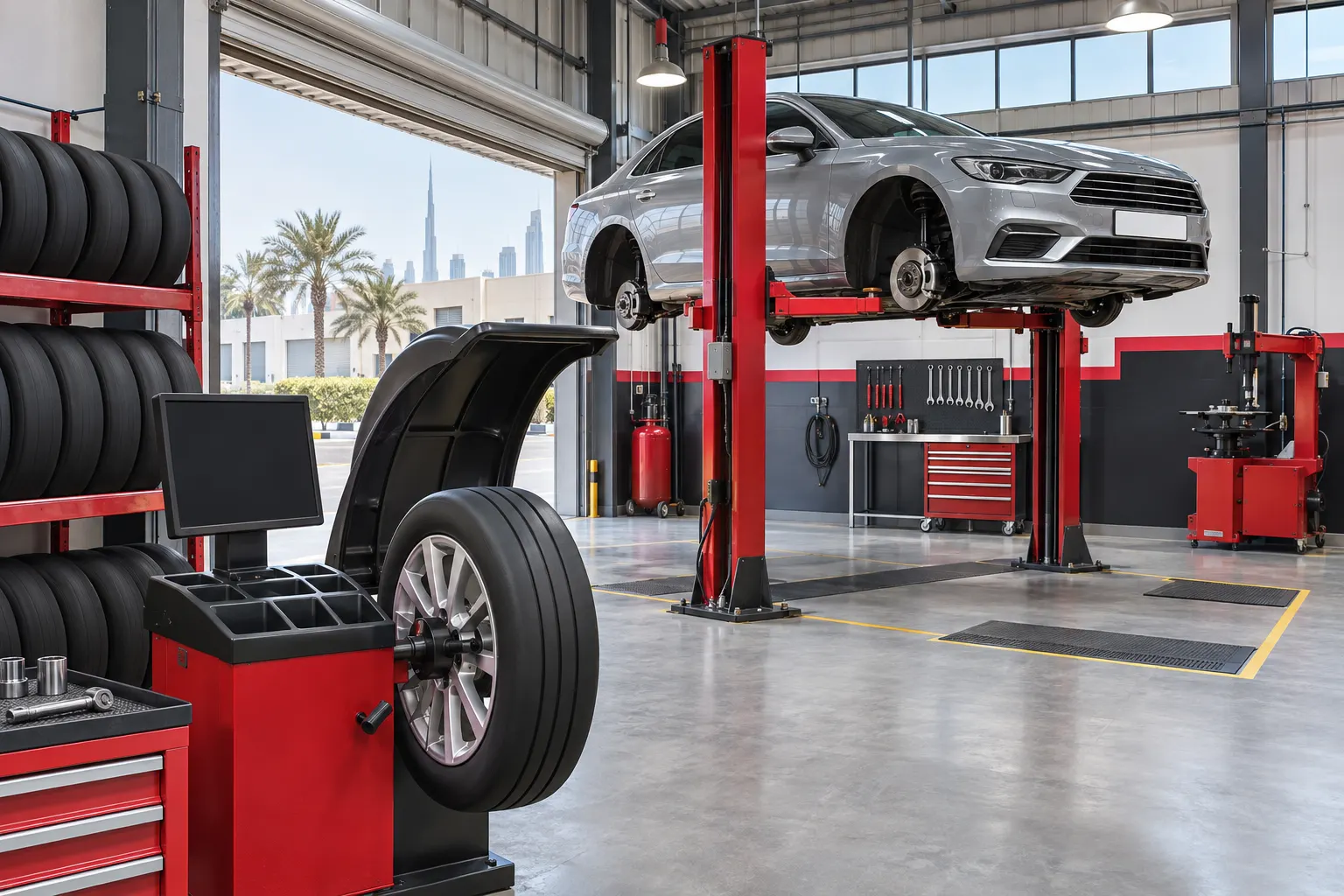

We use two methods. A string plug inserted from outside is fast and suitable as a sound repair for small, straight holes. A patch-plug, also called a mushroom repair, is fitted from inside the tyre after demounting it, seals the inner liner and fills the hole, and is the method tyre manufacturers recommend for a permanent repair.
The price depends on the method and tyre and is confirmed on WhatsApp after you share a photo. If the damage is outside the repairable zone, we tell you straight away and quote a Bridgestone tyre replacement in the same size instead of offering a repair that will not hold.
Puncture repair cost in Dubai
A puncture repair is the lowest-cost tyre service there is, and is always cheaper than a new tyre; even a small Bridgestone B-Series size starts around AED 220. The final price depends on whether a plug from outside is enough or the tyre must be demounted for a patch-plug, and on tyre type, since run-flat and large low-profile tyres take longer.
With a mobile repair there is no tow or taxi cost, and you can have the repair done in your building's car park while you work. Send a photo of the puncture and we confirm the price.
Plug vs patch-plug: which repair is right
A patch-plug fitted from inside is the industry-standard permanent puncture repair, because it seals the inner liner as well as filling the hole. Tyre makers and organisations such as the US Tire Industry Association specify a combined patch and plug for permanent repairs.
An external string plug is quicker and does not require removing the tyre from the rim. Done properly on a small, straight hole in the tread, it is reliable, but it cannot reveal hidden internal damage. We use it where the tyre did not run low and the hole is clean, and recommend a patch-plug otherwise.
- Plug: fast, outside-in, best for small straight holes
- Patch-plug: inside repair, seals the liner, permanent
- Patch only: not recommended, as it leaves the hole open to moisture
What can and cannot be repaired
Only punctures in the central tread area, up to 6 mm in diameter, are repairable; the sidewall and shoulder flex too much for any repair to hold. The shoulder is the curved area where the tread meets the sidewall, roughly the outer 15–25 mm of the tread on most car tyres.
Other reasons a punctured tyre must be replaced include two repairs too close together, a hole entering at a steep angle, damage to the steel belts, and any sign the tyre was driven while flat.
- Repairable: tread area, hole 6 mm or smaller, tyre not run flat
- Not repairable: sidewall cuts, shoulder punctures, bulges
- Not repairable: overlapping repairs or tread worn to 1.6 mm
Can a Bridgestone run-flat or DriveGuard puncture be repaired?
A Bridgestone run-flat (RFT) or DriveGuard puncture can only be considered for repair if the tyre lost pressure while parked or was driven a very short distance, the hole is a small tread puncture, and an inside inspection shows no damage. If it was driven deflated, even within the roughly 80 km at up to 80 km/h that these tyres are designed to cover, we recommend a new tyre. Bridgestone Turanza DriveGuard uses the same principle on ordinary wheels, so the same caution applies.
The reinforced sidewall that lets a run-flat carry the car also hides heat damage, so the tyre must always be demounted and checked inside before any repair; we never plug a run-flat from outside. Repair policies differ by tyre size and speed rating, and when in doubt we choose replacement. Our Bridgestone run-flat tyres explainer covers how these tyres behave after a puncture.
Puncture causes in the UAE
Construction debris is the main cause of punctures in the UAE, with screws and nails picked up near building sites and on roads used by trucks. Other common culprits are metal fragments on highway shoulders and sharp gravel at the edge of desert tracks.
Keeping tyres at the correct pressure reduces punctures, because an underinflated tyre spreads wider and picks up more debris.