
Both groups share UAE problems: payload in the bed, construction-site debris, gravel shoulders and long highway stretches with trailers or boats. The right tyre is chosen for load first, then for terrain.
We change pickup tyres at sites, yards and homes, and companies running several trucks can book scheduled checks through Bridgestone fleet tyres in the UAE.
Which Bridgestone tyre suits a work pickup?
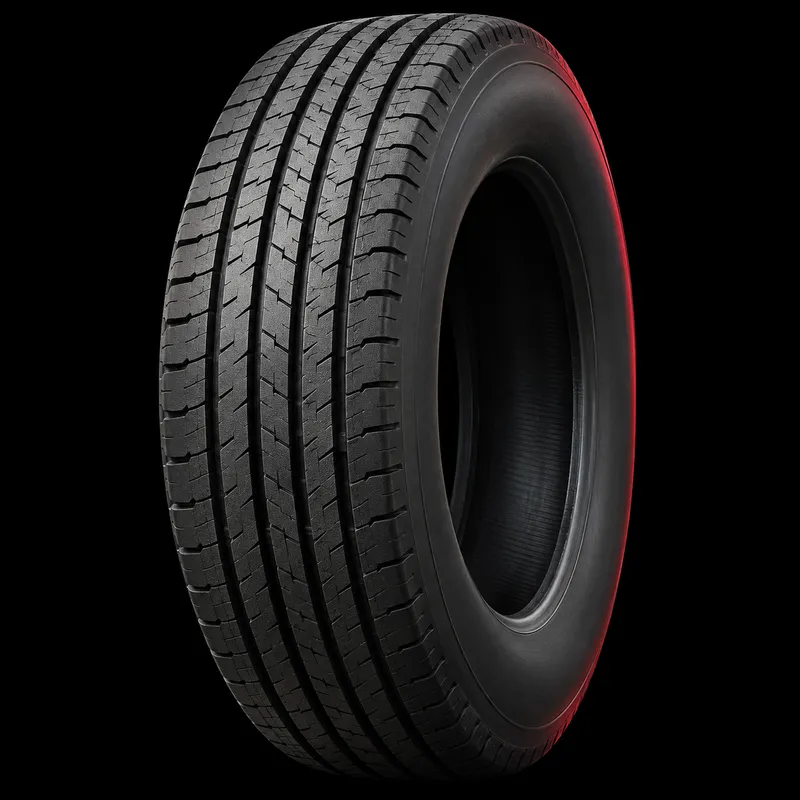
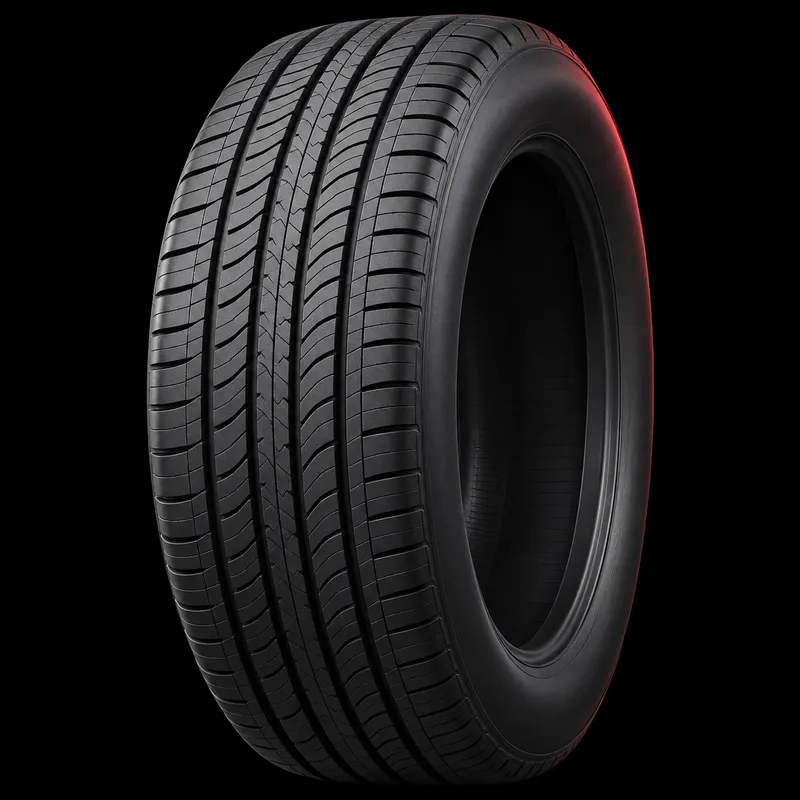
A single-cab Hilux or D-Max carrying 1 tonne of materials needs a C-rated or LT tyre with the load index printed on its placard, such as the Bridgestone Duravis R660 in 195 R15C or 205 R16C, not a cheaper passenger tyre of the same size. Double-cab trucks on 245/70 R16 or 265/65 R17 are well served by the Bridgestone Dueler H/T 684 II, a long-running highway pattern on Hilux and Fortuner sizes. Underrated tyres on a loaded truck are a leading cause of rear blowouts on the E311 and E611 in summer.
On construction sites, nails, screws and rebar offcuts cause most punctures. A tyre with a steel-belted, cut-resistant tread and a deeper pattern lasts longer, and a nail in the central tread can usually be fixed with a proper puncture repair rather than a new tyre.
Which Bridgestone tyre is best for towing with a full-size pickup?
For a full-size pickup that tows regularly, a load-rated highway tyre such as the Bridgestone Dueler H/T 840 keeps braking and stability closest to stock, with a load index at or above the original. A Ram 1500 or F-150 towing 3 tonnes at 110 km/h on a 45°C day is working its tyres hard, so use the placard's laden pressure too.
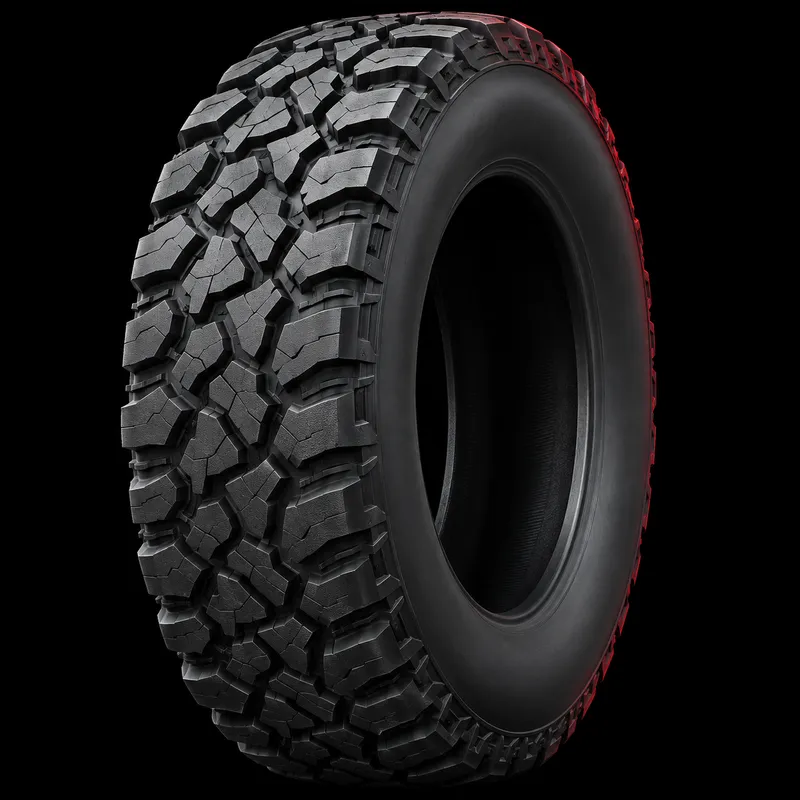
Many owners swap to A/T tyres for the look and for weekend sand. If you want that, the Dueler A/T 002 is the more highway-friendly choice in the Dueler range; avoid a mud-terrain pattern on a truck that spends most of its life towing on the E11.
Why do pickup tyres wear unevenly?
Empty pickups often wear the centre of the rear tyres because they run high laden pressures without a load, while loaded pickups on low pressures wear both shoulders. Matching pressure to the actual load is the simplest way to extend tread life.
Rotate every 8,000 to 10,000 km and check alignment after any off-road work, since leaf-spring rear axles and heavy front ends can drift out of spec.
Technician tips
- Match the placard load index exactly or higher on every tyre.
- Adjust rear pressure for load: higher laden, lower empty, within placard values.
- Inspect tread for nails after every site visit.
- Use laden pressure when towing on the highway.
- Rotate every 8,000 to 10,000 km, including a matching spare.
- Check the spare under the bed; it collects dust and loses pressure unseen.