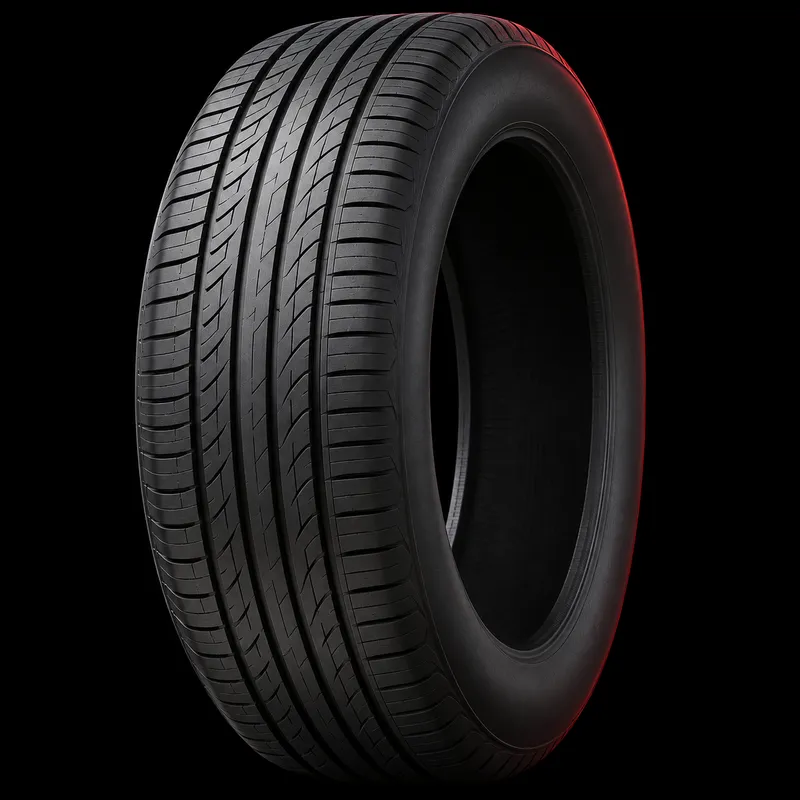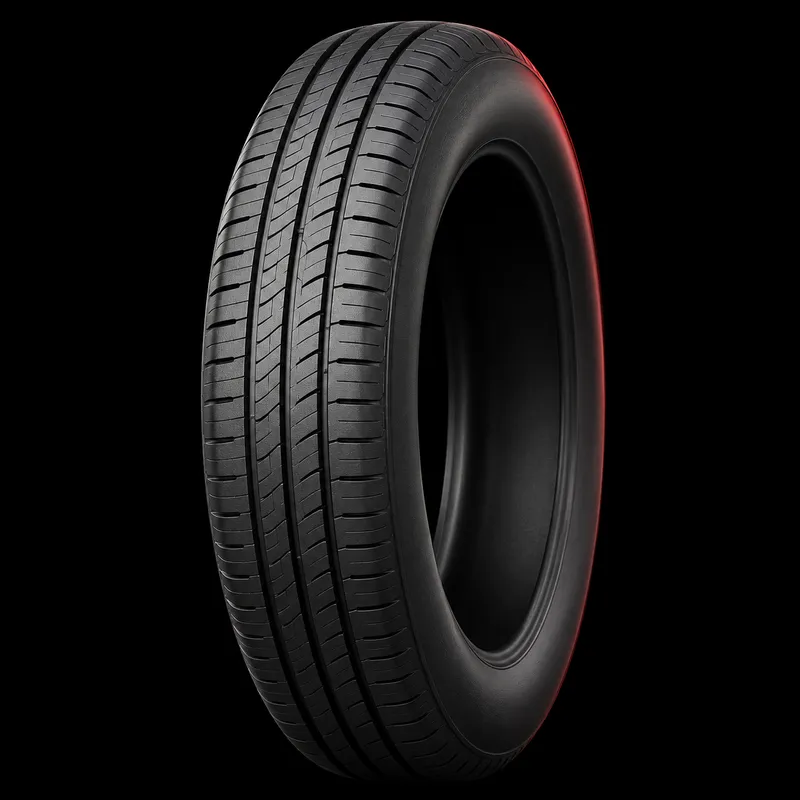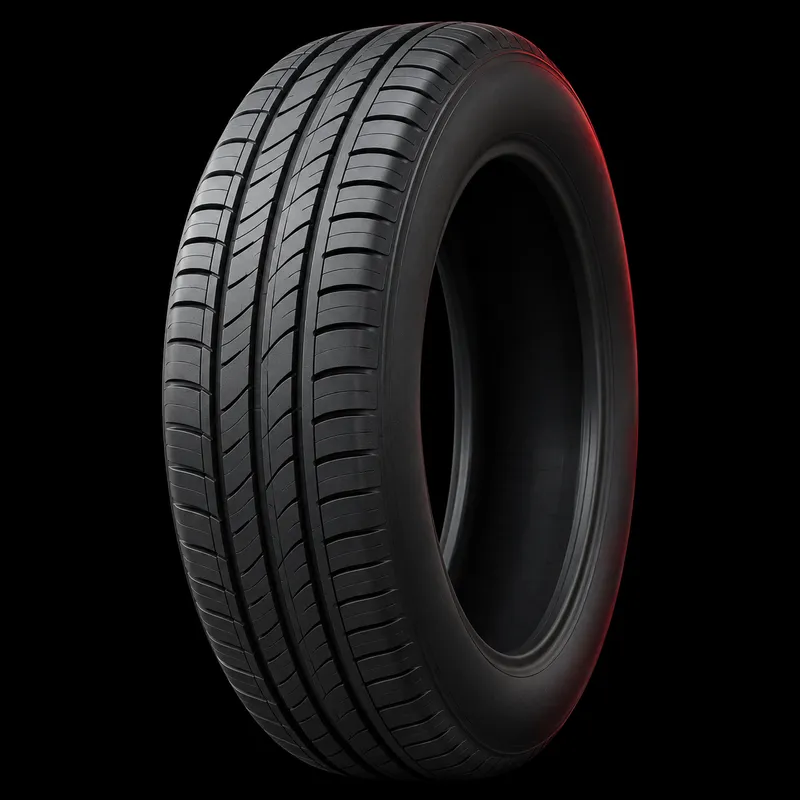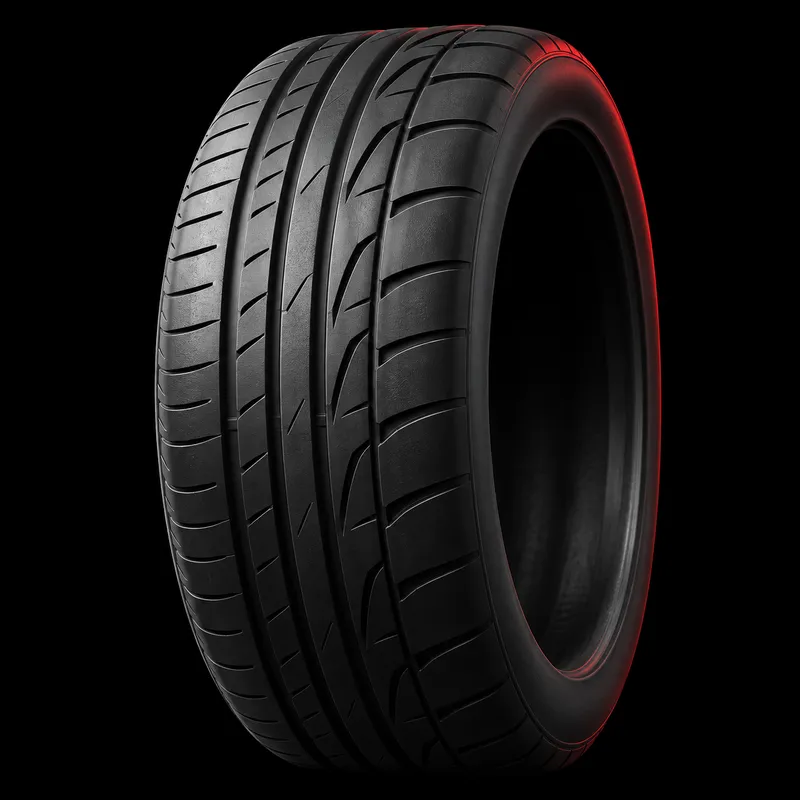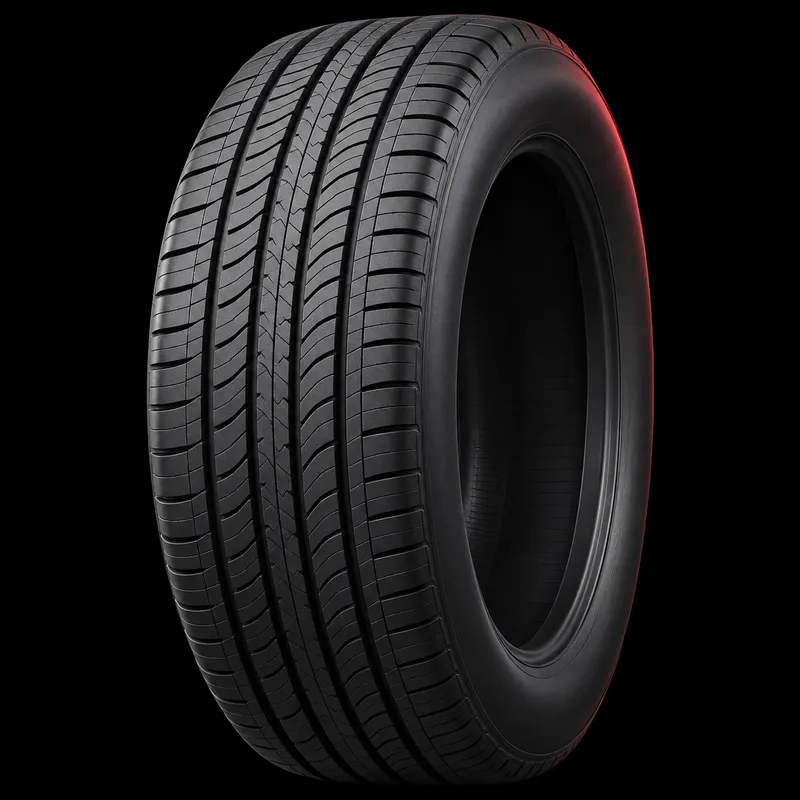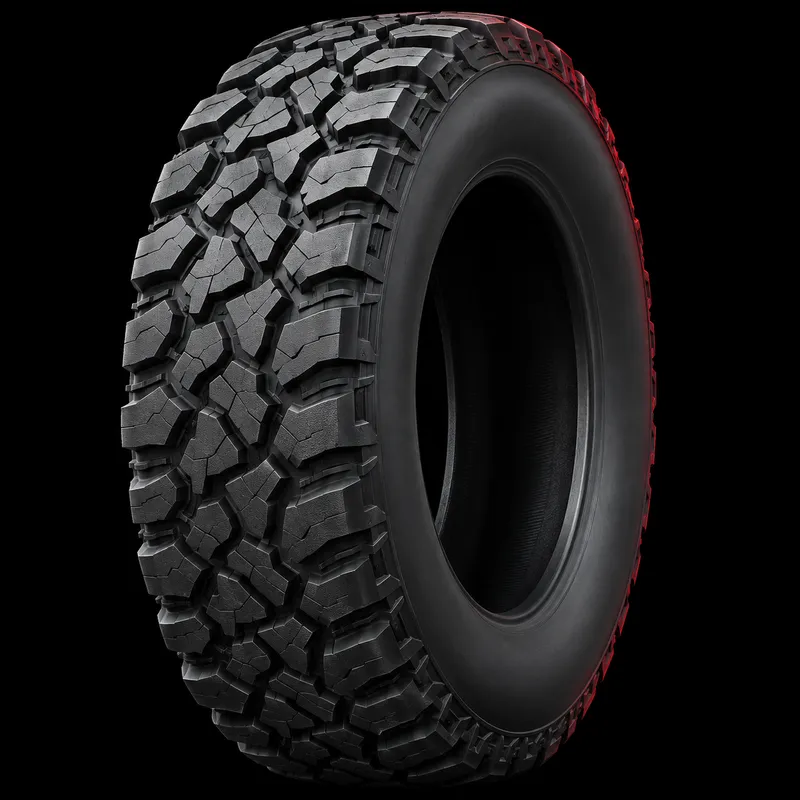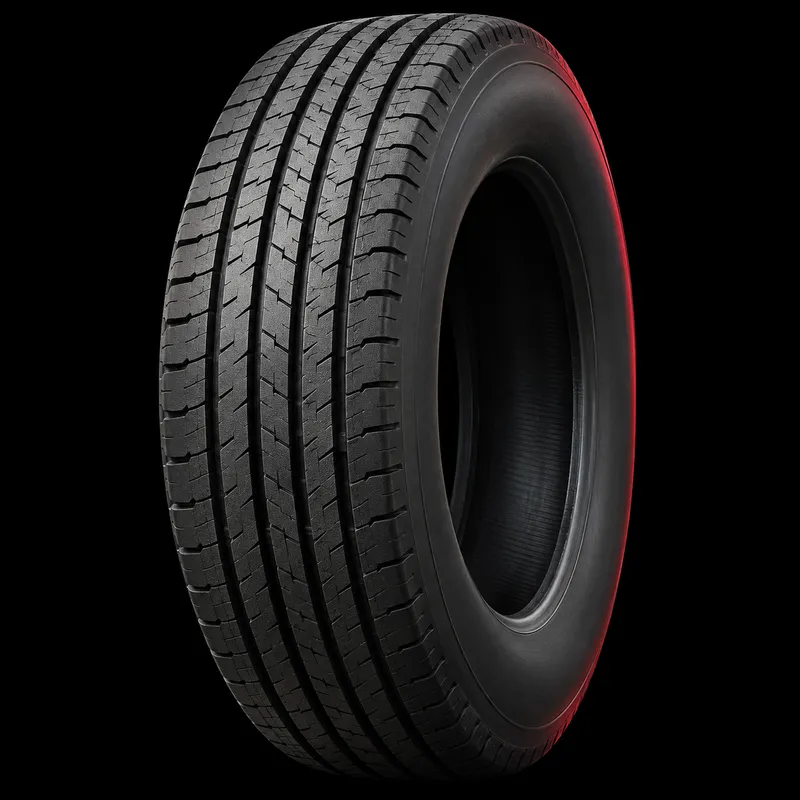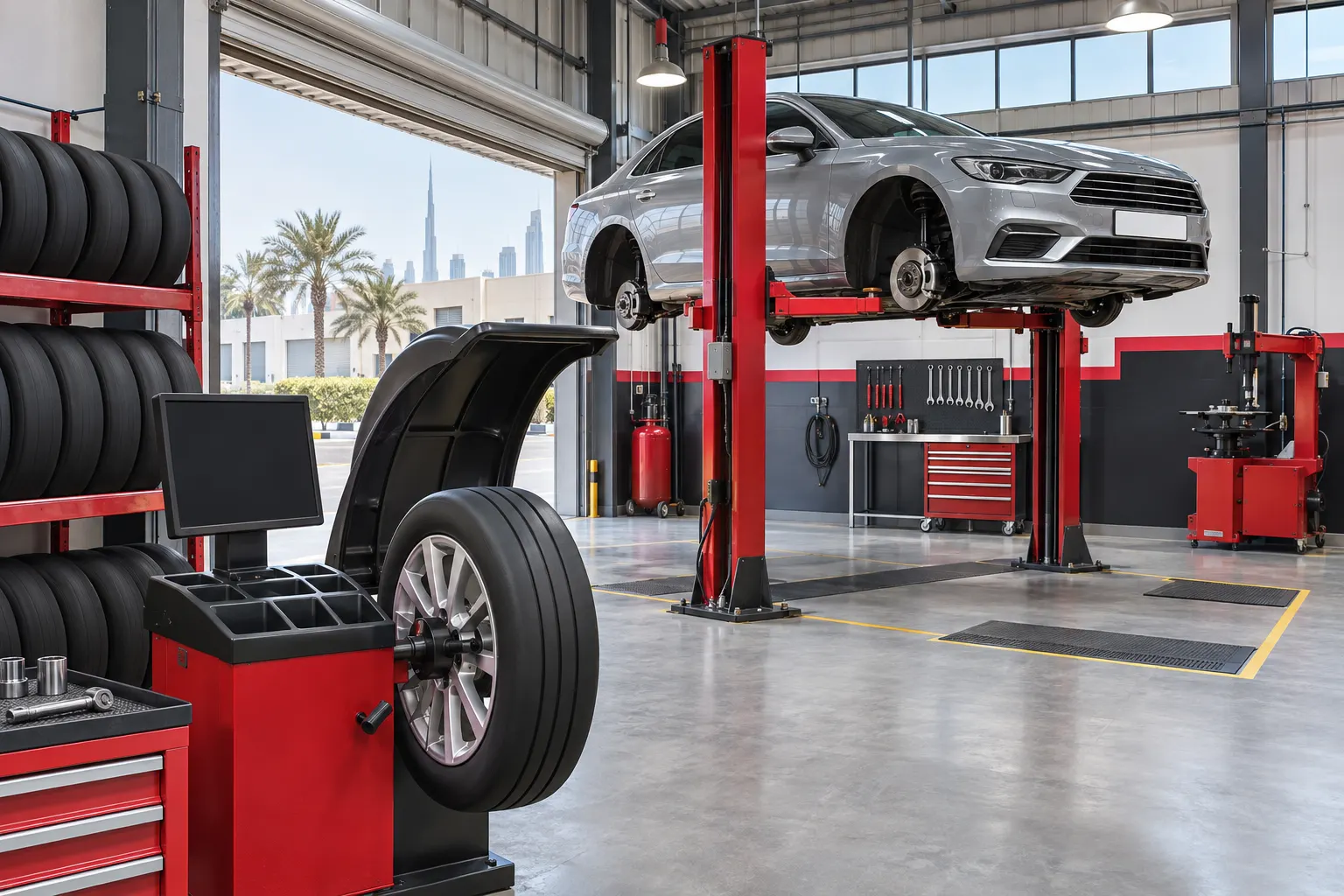

Spare tyres age even when they are never used. The rubber in a spare kept in a boot that reaches 60°C in August hardens and cracks, and many spares we inspect are eight to twelve years old with low pressure. We check the DOT date, condition and pressure every time we fit one.
If your car came with run-flat tyres and no spare, or only a sealant kit, we can advise on adding a space-saver or a full-size spare, including whether it will fit in the boot well. The price depends on the size and type and is confirmed on WhatsApp.
Space-saver vs full-size spare
A space-saver spare is a narrow temporary tyre usually limited to 80 km/h and around 80–100 km of driving, while a full-size spare matches your road tyres and can be used normally. Space-savers save weight and boot space, which is why most modern sedans and hatchbacks carry one.
In the UAE, where a flat can happen 100 km from the nearest town on the road to Liwa or Hatta, a full-size spare is the safer choice if your boot well allows it. For SUVs and 4x4s that go off-road, a full-size spare on a matching rim is close to essential.
- Space-saver: typically 80 km/h maximum and higher pressure, often 60 PSI
- Full-size: same size as road tyres, no speed or distance limit
- Never fit a space-saver on the drive axle of an AWD car for long distances
Run-flat cars with no spare
Cars on run-flat tyres, including many BMW, MINI and some Mercedes-Benz models, usually have no spare because the tyre can be driven about 80 km at up to 80 km/h after losing pressure. That is enough to reach a city, but not always enough for a desert or mountain road.
If you want a spare anyway, a space-saver kit that fits the boot floor is usually available for these models. We can supply one with a matching hub fitment and confirm it clears the brake calipers before you rely on it. If your car has ordinary wheels and no spare, Bridgestone Turanza DriveGuard gives a similar run-flat ability without RFT-specific rims.
Buying a car spare tyre: what to ask for
When you buy a spare tyre, the bolt pattern, centre bore and offset of the rim matter as much as the tyre size. A tyre alone is cheaper if you still have the original spare rim; if the rim is missing, you need a complete wheel and tyre assembly.
Send us a photo of the door placard and the boot well, and we confirm which option fits. A full-size spare should ideally be the same Bridgestone pattern as the tyres on the car, for example a fifth Alenza 001 or Dueler H/T, so handling stays consistent if it goes on; you can browse the Bridgestone tyre ranges to see what comes in your size.
Why spares fail when you need them
The most common spare tyre problem is simply low pressure, because a spare loses 1–2 PSI a month like any tyre and is rarely checked. The second is age: a spare can look new but be a decade old and unsafe at highway speed.
Check the spare every time you check your other tyres, and replace it when it passes about six years from its DOT date even if unused. Also confirm the jack, wheel brace and locking wheel nut key are in the car.